
Understanding cultural perceptions of gambling across different societies
Understanding cultural perceptions of gambling across different societies
The Historical Context of Gambling
Gambling has been part of human culture for centuries, with its roots tracing back to ancient civilizations. From the early dice games in Mesopotamia to the lottery systems of the Roman Empire, gambling has evolved significantly. The perception of gambling often reflects societal norms, values, and economic conditions, showcasing how different cultures embrace or reject this activity. In some societies, gambling is seen as a form of entertainment, while in others, it is viewed as a vice or moral failing. Many players now also enjoy an interac casino for a convenient way to engage with their favorite games.

Various cultures have rituals surrounding gambling, which influence its acceptance. For example, in many Indigenous cultures, gambling is integrated into ceremonial practices, reinforcing community ties. Conversely, in more conservative societies, gambling is often linked to moral decay and can lead to stringent regulations and prohibitions. This historical context is vital for understanding current cultural attitudes toward gambling.
Modern Gambling Practices and Cultural Attitudes
In the contemporary world, the rise of online gambling has transformed how societies engage with this activity. In countries like the United States and Australia, gambling is often associated with leisure and recreation, with both online and brick-and-mortar casinos flourishing. This acceptance is rooted in the perception that gambling can be a harmless pastime, as long as it is done responsibly.
On the other hand, several countries maintain strict laws against gambling, viewing it as detrimental to social welfare. In places like Saudi Arabia and many parts of Asia, gambling is largely prohibited, and those who partake in it may face severe consequences. This dichotomy illustrates the varying degrees of acceptance and the diverse cultural perceptions that shape gambling practices around the globe.
Influence of Religion on Gambling Perceptions
Religious beliefs significantly influence how different societies perceive gambling. In cultures with strong religious foundations, such as Islamic and Christian societies, gambling is often condemned as sinful. The ethical considerations tied to these beliefs can lead to widespread stigma surrounding gambling, shaping laws and public opinion alike.
Conversely, certain cultures may incorporate gambling into their religious practices, viewing it as a test of fortune or a means of communication with the divine. For instance, in some Hindu festivals, games of chance are played, and they are not seen as sinful but rather as part of the celebration. This demonstrates how religious context can redefine the narrative around gambling, blending it with cultural identity.
Socioeconomic Factors Affecting Gambling Attitudes
The socioeconomic landscape of a society plays a crucial role in shaping its cultural perception of gambling. In wealthier nations, gambling often occupies a place of luxury and entertainment, attracting a demographic eager for leisure activities. The presence of high-end casinos and online platforms can signal a society that embraces gambling as a viable economic activity.
Conversely, in lower-income areas, gambling might be viewed more critically, often associated with desperation and financial instability. The perception can lead to a cycle where gambling is seen as a means to escape poverty, leading to detrimental social consequences. Understanding these socioeconomic factors is essential for analyzing how different cultures engage with gambling.
Exploring New Trends in Gambling
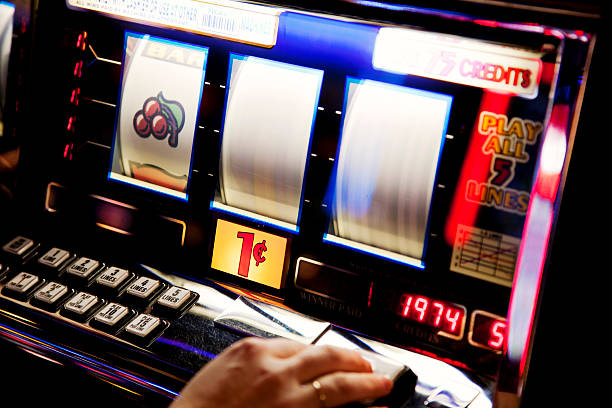
The online gambling landscape continues to evolve, with new trends reshaping cultural perceptions across different societies. With the accessibility of mobile gaming and online casinos, gambling has become more integrated into daily life. This shift is particularly evident among younger generations, who often view gambling as an entertaining and socially engaging activity.
As these trends develop, they challenge traditional views on gambling and prompt discussions about regulation, responsible gaming, and cultural adaptation. Awareness of these changes is crucial for anyone interested in the future of gambling and its place within various cultures. For those exploring the latest trends, our platform provides insights into new online casinos, games, and promotions, facilitating a comprehensive understanding of this dynamic industry.
No Comments